
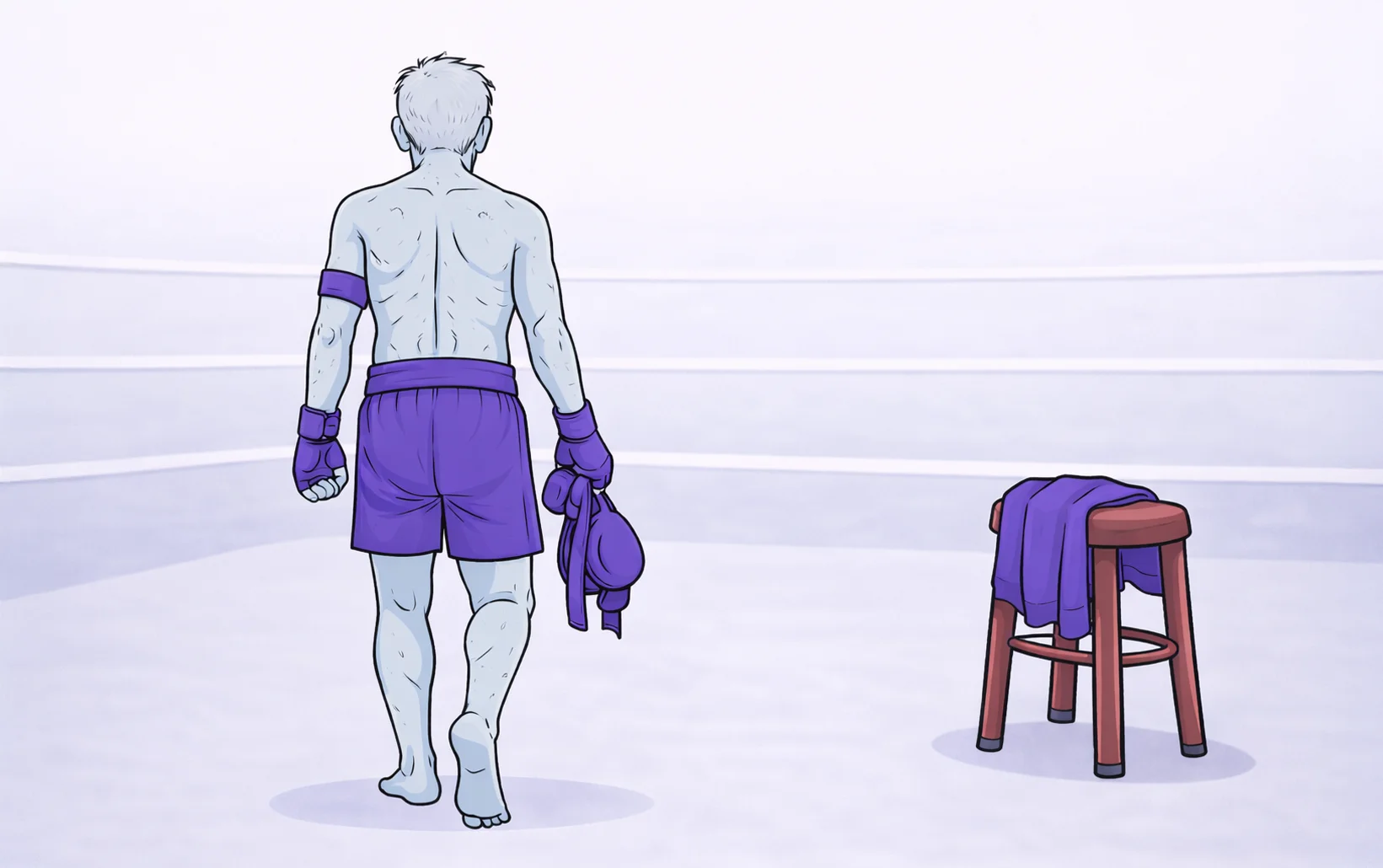
Most Muay Thai fighters tend to slow down or retire in their late 20s to early 30s, especially in Thailand’s traditional scene where many start young and build up a high number of fights early in life.
That said, retirement age is not fixed. Some fighters stop earlier due to injuries, burnout, or life changes, while others continue competing into their late 30s or beyond - especially if they can stay active through higher-profile opportunities, favourable matchmaking, or rule sets that suit them.
Retirement age can vary significantly depending on where a fighter competes. In Thailand’s traditional stadium scene, fighters often begin competing at a very young age and accumulate a high number of bouts early in life. Outside Thailand, many fighters start later and compete less frequently, which can result in longer competitive careers.
Why Many Fighters Retire Younger
There are several reasons why many Muay Thai fighters choose to retire or significantly reduce their activity at a relatively young age.
Physical wear and tear
Muay Thai is a full-contact sport that places repeated stress on the body. Over time, accumulated injuries, joint damage, and general physical fatigue can make it harder for fighters to continue competing at a high level.
High number of fights
Compared to many other combat sports, Muay Thai fighters often compete very frequently. It is not uncommon for fighters, especially those who start young, to build up a large number of fights early in their careers. This high fight volume increases long-term wear on the body and can shorten competitive careers.
Health and recovery
As fighters get older, recovery time tends to increase. What may have taken days to recover from earlier in a career can take weeks or months later on. This can make regular competition more difficult, particularly in formats that require frequent fights.
Changing priorities
Some fighters lose the desire to continue competing at the highest level. Others transition into coaching, training roles, or gym ownership, where they remain involved in the sport without the physical demands of active competition.
Mental fatigue and motivation
Long careers can also lead to mental burnout. Training intensity, weight cuts, and the pressure of competition can affect motivation over time, leading some fighters to step away earlier than athletes in other sports.
Why Some Fighters Are Fighting Longer Now
While many Muay Thai fighters retire in their late 20s or early 30s, some are able to extend their careers beyond this point. This is usually due to a combination of changes in the sport and individual circumstances rather than a general shift across all fighters.
More global opportunities and improved earnings
The growth of international promotions and broadcast focused events has increased earning potential for established Muay Thai fighters compared to previous generations. Higher purses, sponsorship opportunities, and appearance fees can make it more viable for experienced fighters to continue competing later in their careers.
Modern formats often involve fewer fights per year, more selective matchmaking, and clearer promotional structures. This can reduce physical wear while allowing fighters to earn comparable or greater income than when competing more frequently for lower pay.
Exceptional cases
In rare cases, fighters continue competing well into their late 30s or 40s. This usually applies to fighters with elite technical ability, strong name recognition, and styles that rely more on timing, balance, and experience rather than physical explosiveness.
Notable examples as of January 2026 include:
These fighters are exceptions rather than the norm, and their longevity is not typical of most Muay Thai careers.
Frequently Asked Questions
Answers to common questions when Muay Thai fighters typically retire: