
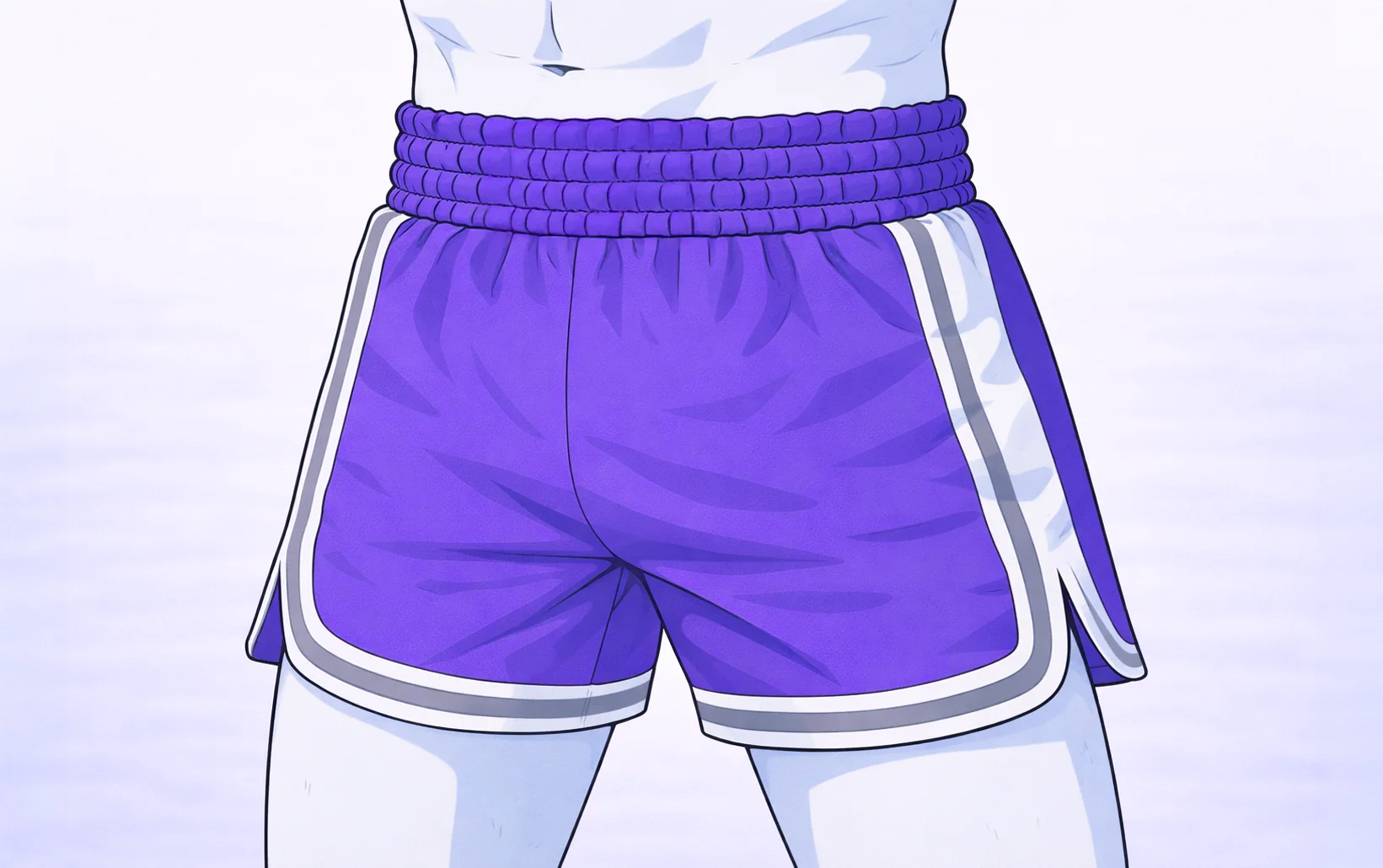
Muay Thai shorts are short because they are designed for movement, flexibility, and practicality. The shorter length allows fighters to kick, knee, and move freely without fabric restricting the hips or legs during training or competition.
Freedom of Movement
One of the main reasons Muay Thai shorts are short is to allow a full range of motion.
Muay Thai involves:
- High kicks
- Knees
- Rapid footwork
- Clinch movement
Longer or tighter shorts can catch on the thighs or restrict hip movement. Shorter shorts reduce this issue and allow fighters to move naturally.
Designed for Kicking & Knees
Muay Thai places heavy emphasis on:
- Side kicks
- Teeps (push kicks)
- Knee strikes
Shorter shorts expose more of the upper leg and hip area, making it easier to lift the leg high and rotate the hips without resistance. This becomes especially noticeable during repeated kicking drills and sparring.
Types of Muay Thai Shorts
Muay Thai shorts are often described as either traditional or retro, though the terms can be slightly misleading.
Traditional Muay Thai are:
- Made from thicker satin or heavier materials
- Slightly longer in length
- Wider through the waist and legs
- Closely associated with classic stadium era designs
Retro Muay Thai shorts are:
- Shorter in length
- Lighter and thinner in material
- More minimal in design
- More common in modern gyms and among newer brands
While called “retro,” this slimmer, shorter style is actually more modern in how it is worn today, particularly outside Thailand.
Both styles are acceptable for training and competition. The choice usually comes down to comfort, fit, and personal preference rather than performance.
Do You Have to Wear Muay Thai Shorts in Training?
No. Beginners do not need Muay Thai shorts to start training.
Most gyms allow:
- Standard gym shorts
- Football or running shorts
That said, it’s always best to check with your gym, as rules can vary.
In general, you should wear shorts that feel comfortable and allow a full range of movement without restriction. Shorts with zips, buttons, metal parts, or dangling elements are not allowed, as they can pose a safety risk during training.