Muay Thai, also known as Thai Boxing, is a martial art originating from Thailand. It’s a full contact combat sport where athletes use strikes, sweeps and various clinching techniques in combat. It’s often referred to as ‘The Art of Eight Limbs’ as you use your legs, knees, elbows and fists. Muay Thai is the national sport of Thailand and is a deeply rooted part of the country’s culture and heritage.
What Does Muay Thai Mean?
Muay Thai translates to:
- Muay (มวย) - boxing
- Thai (ไทย) - Thai
So Muay Thai literally means “Thai boxing”.
How to Pronounce Muay Thai
Muay - sounds like "boy," but with an "m" instead of a "b"
Thai - simply "tie," as in "tie your shoelaces" or "wear a suit and tie"
History of Muay Thai
The earliest recorded origins of Muay Thai date back to 657 AD, though much of the history is unclear, as many records were lost in the Burmese - Siamese War.
Muay Thai was originally developed as a form of unarmed combat for soldiers in war, Muay Thai evolved from battlefield techniques into the combat sport we know today.
Today, Muay Thai remains a central part of Thai culture with many fighters beginning their training as young as six years old. For many, the sport is not just a passion but a necessity, as it offers a path to support their families financially.
Muay Thai Techniques (The 8 Limbs)
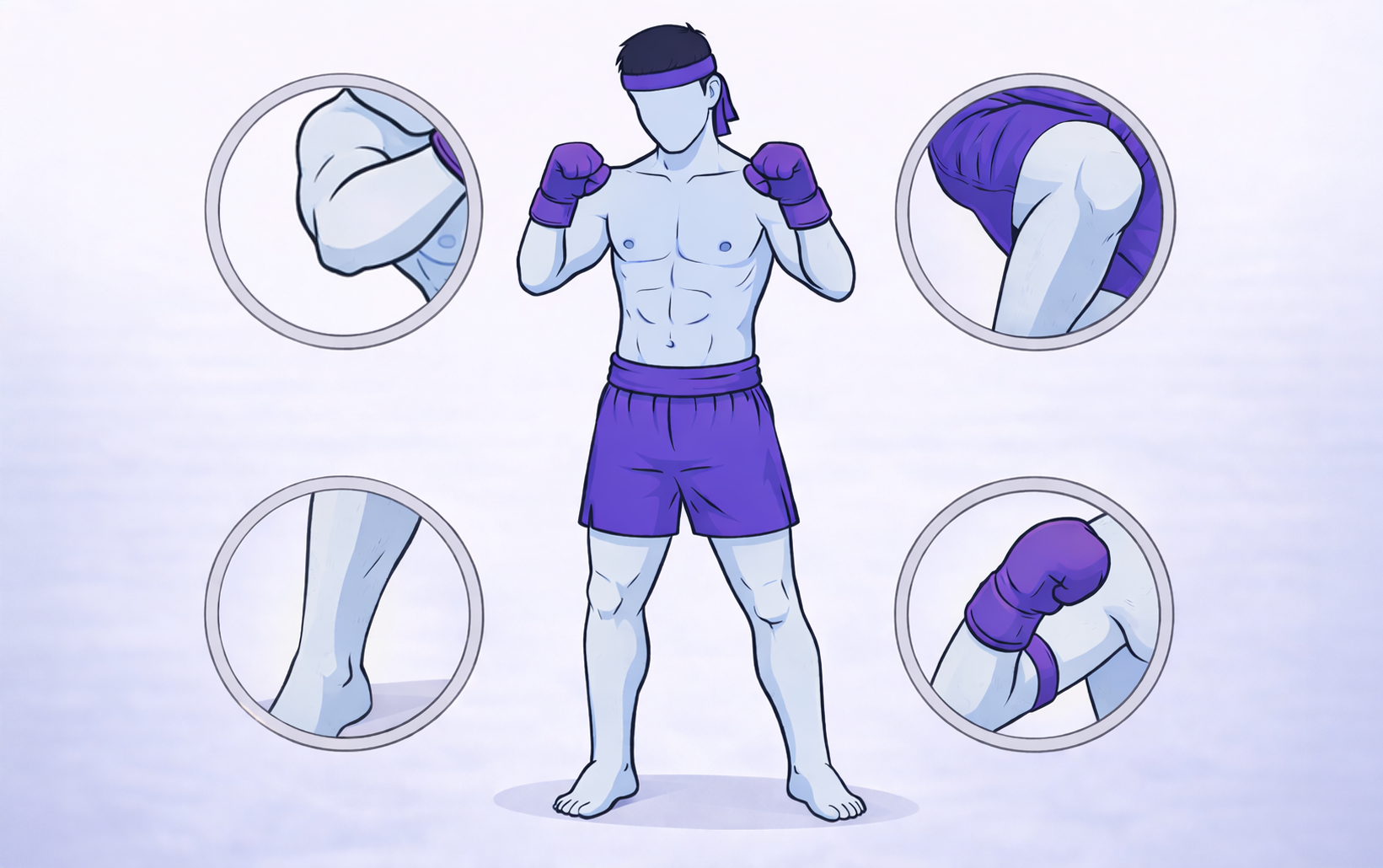
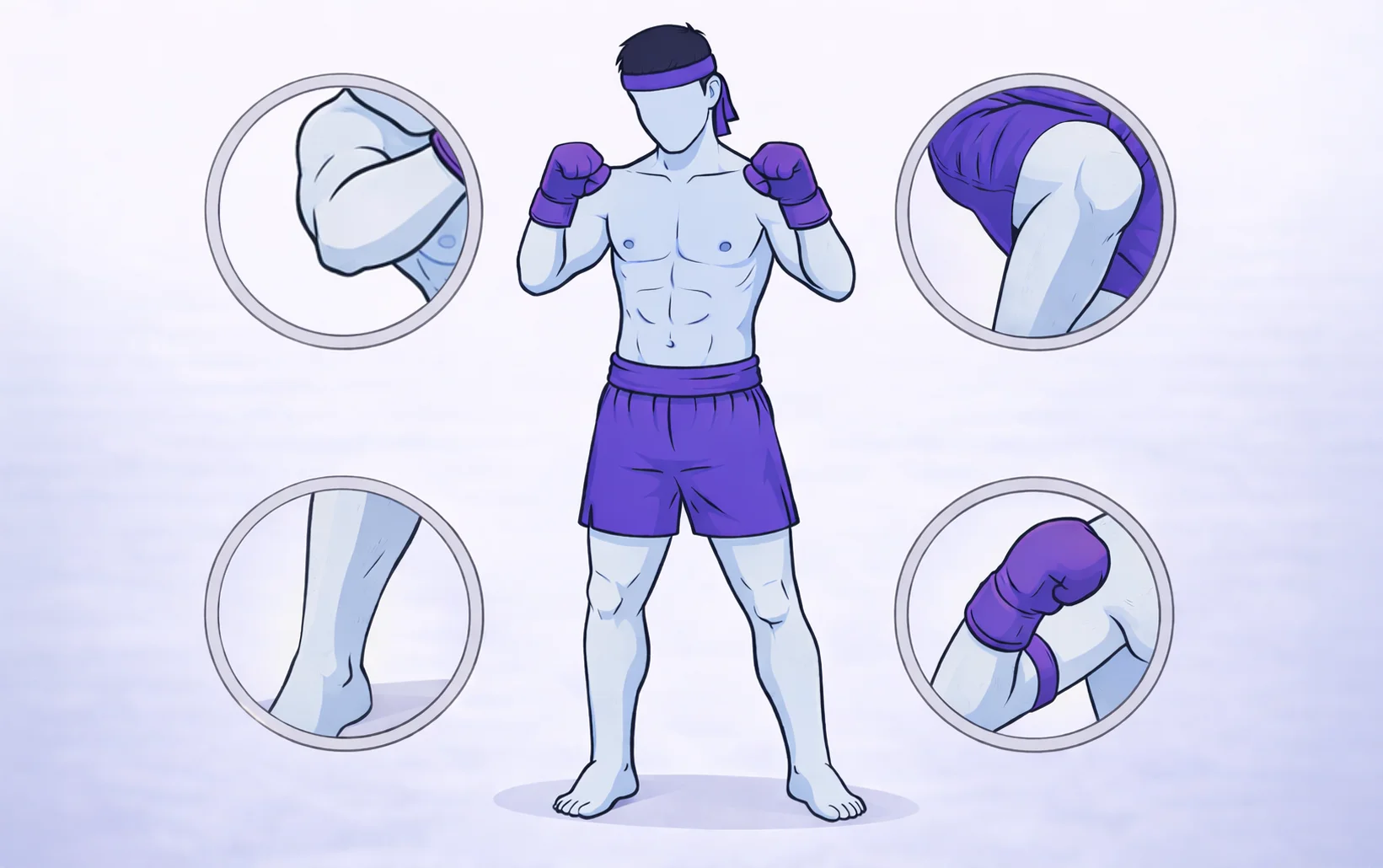
Muay Thai is called the “Art of Eight Limbs” because it uses eight points of contact:
- 2 fists (hands)
- 2 elbows
- 2 knees
- 2 shins (legs)
On top of that, Muay Thai also includes the clinch, where fighters control their opponent and land knees and strikes at close range.
Punches
The most frequently used strikes in Muay Thai are punches. Key punch techniques include the jab (straight lead punch), cross (straight rear punch), uppercut, hook, overhead punch, and spinning back fist. The power behind a punch is generated from the feet, moving upwards with a shift in weight and a rotation of the hips and shoulders, contributing to the force and speed of the punch.
Kicks
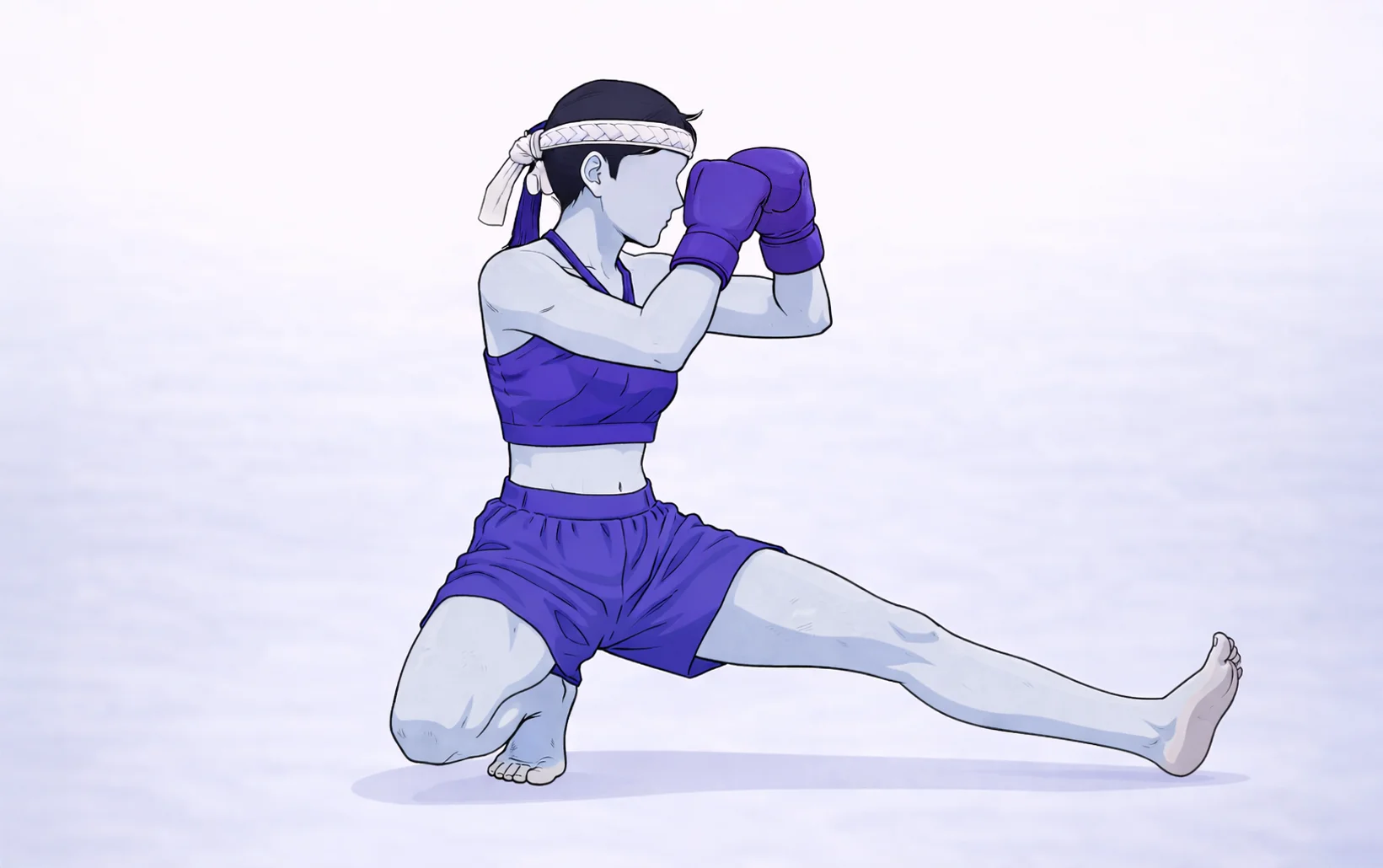
The shin utilising kicks of Muay Thai are formidable, often delivered from the outside. These kicks involve a backward arm swing and internal hip rotation to maximise force. Targets for these kicks vary, including the opponent's legs (low or leg kicks), body, arms, back, and head. Besides the standard roundhouse side kick, other variations like jumping kicks, spinning back kicks, axe kicks, and acrobatic moves like the cartwheel kick are also used, adding dynamism to the fighter's strategy.
Elbows
Elbows, being one of the hardest parts of the human body, serve as potent weapons in Muay Thai. The versatility of elbow strikes is notable, with techniques ranging from sideways strikes to the head, downward strikes from above, reverse strikes to the chin, flying elbows, and spinning back elbows. Properly executed elbow strikes can be powerful enough to knock out an opponent or cause deep cuts, leading to fight stoppages.
Knees
In Muay Thai, knee strikes are primarily close-range weapons, frequently used during clinches. These strikes target the body, particularly the ribcage, thighs, and even the head. Jumping knee strikes can be especially impactful. The rear leg often delivers knee strikes for greater force, either straight or diagonally, sometimes in combination with clinching to maintain the opponent within striking range.
Clinch
The clinch is a grappling method in Muay Thai that integrates well with knee and elbow strikes. Mastering the clinch requires extensive practice and skill. It enables takedowns or tripping of the opponent to the ground. Effectively used, clinching can be a strategic tool to outmaneuver and outscore opponents in fights.
Muay Thai Rules Explained
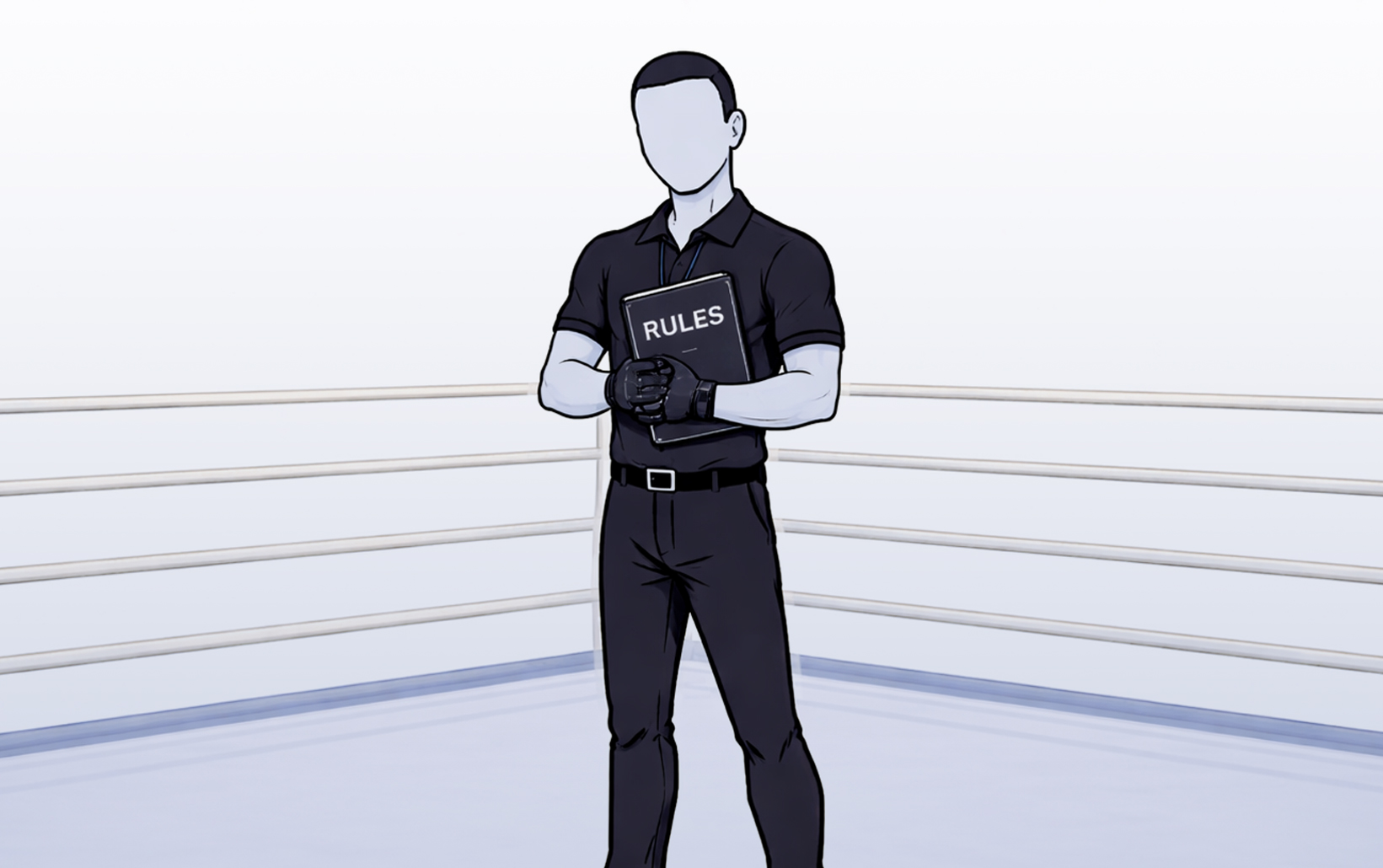
Muay Thai rules can vary depending on the country, promotion, athlete gender, and sanctioning body, but the basics are similar.
In its traditional form, professional Muay Thai is five rounds, with each round lasting three minutes. For women, it is also five rounds, but rounds are often two minutes long.
However, it is becoming more and more common to see 3 rounds of 3 minutes for non-title fights.
In many Thai stadium fights, the first and fifth rounds are often slower, with fighters studying each other early and managing the pace in the final round if the result is already clear. This is one reason why 3 round fights are becoming more common.
Rules can change depending on where the fight takes place. Some organisations allow all techniques, while others may restrict certain strikes like elbows. Amateur bouts are also usually shorter, typically ranging from 1 minute 30 seconds to 3 minutes per round, and include additional safety rules.
In Muay Thai, fighters are allowed to use:
- punches
- kicks
- elbows
- knees
- clinching
- sweeps
Illegal techniques typically include:
- headbutts
- biting or eye gouging
- striking a downed opponent
- unsportsmanlike behaviour
Muay Thai Scoring System
Scoring can vary depending on the organisation. Traditional Thai scoring often rewards control and dominance, while modern promotions place more emphasis on damage and aggression.
Muay Thai vs Other Combat Sports
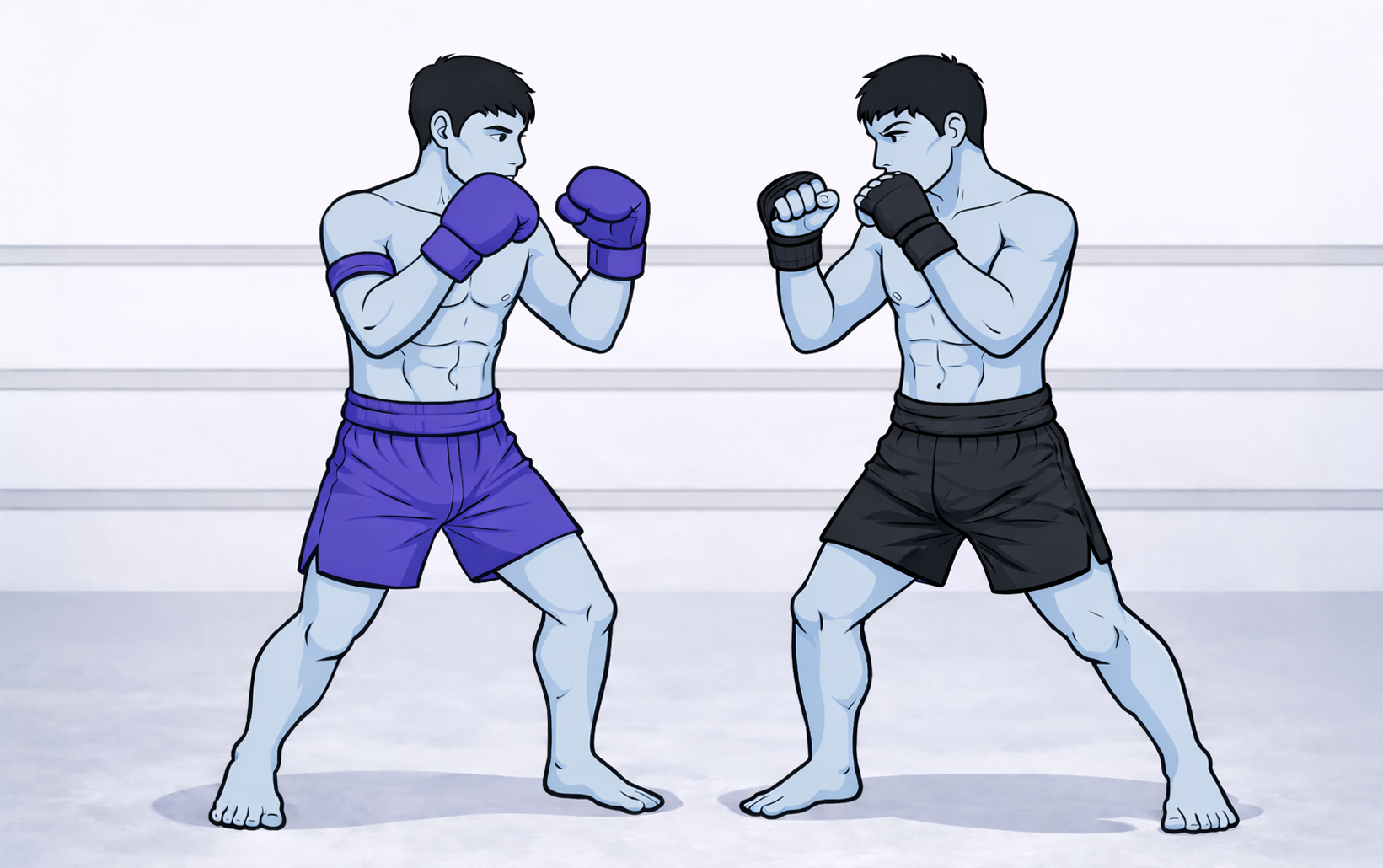
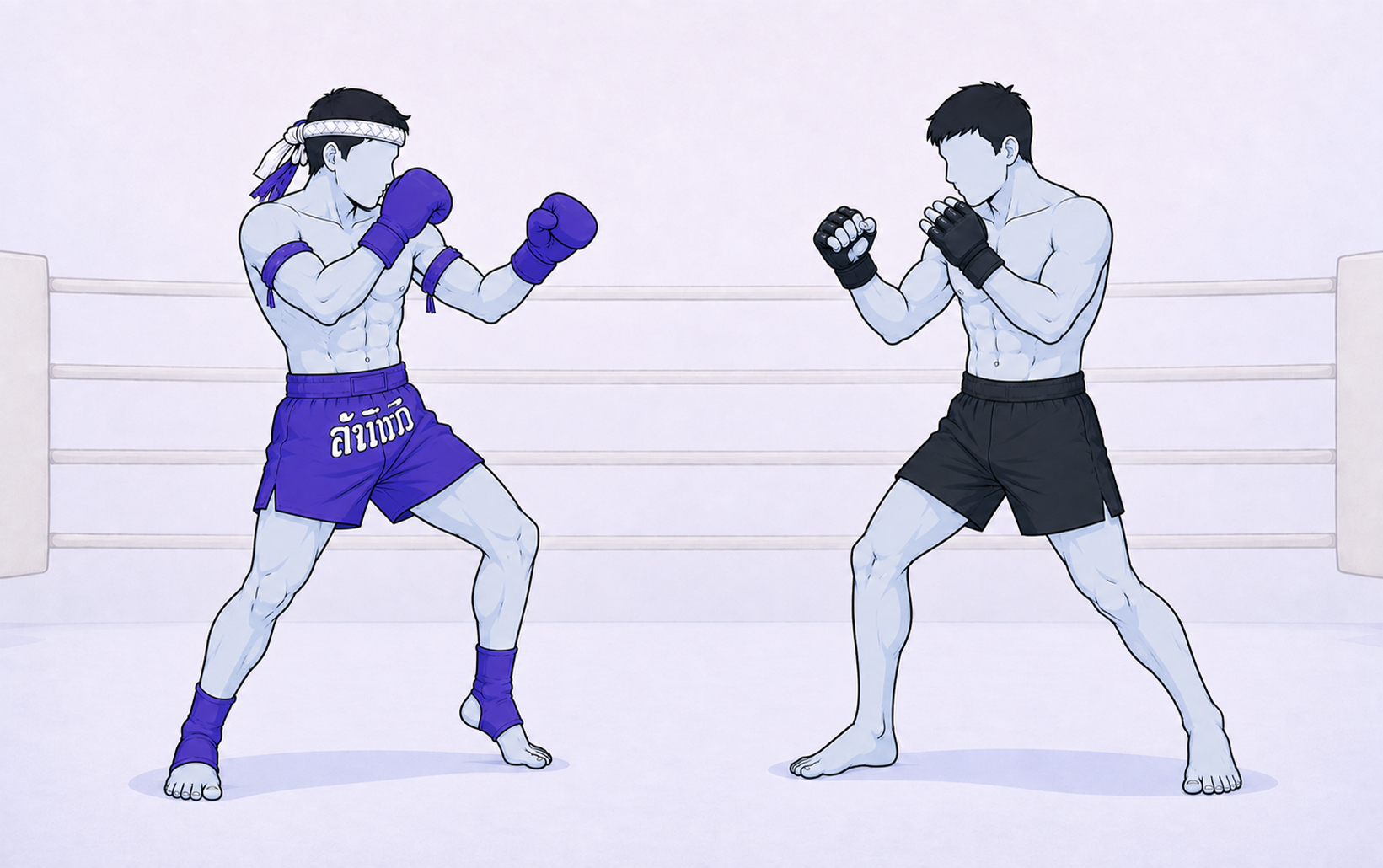
Muay Thai is one of the most complete striking based combat sports you can learn, as it allows punches, kicks, elbows, knees, and clinching. This gives it a wider range of techniques compared to many other stand up styles.
Against other striking sports such as boxing, kickboxing, karate, or taekwondo, in a setting where all techniques are permitted, Muay Thai fighters have a significant advantage due to the inclusion of kicks, knees, elbows, and clinch work.
However, Muay Thai does not include grappling, wrestling, or ground fighting. In rule sets that allow these elements, such as mixed martial arts (MMA), fighters trained in grappling have a significant advantage due to their ability to control where the fight takes place.
Because of differences in rules, training methods, and objectives, direct comparisons between combat sports are not always equal. Each sport is designed around its own ruleset, and effectiveness depends heavily on the context in which it is used.
Muay Thai vs Kickboxing
Muay Thai and kickboxing look similar at first, but there are clear differences. The main difference is the range of techniques allowed. Muay Thai includes elbows, knees, clinching and sweeps, while most kickboxing styles do not allow elbows or extended clinch fighting.
There are also differences in style and scoring. In kickboxing, punches and kicks generally score the same, which often leads to a higher volume of strikes and combinations. In traditional Muay Thai, kicks, knees, and elbows usually score higher than punches.
In modern Muay Thai, especially in ONE Championship and Max Muay Thai, scoring places more emphasis on overall damage and visible impact, which can make fights appear more similar to kickboxing in pace and output.
Muay Thai fighters also tend to stand more upright and focus on timing, balance, and single powerful strikes. Kickboxers often use more combinations and movement.
Because of the clinch and elbows, Muay Thai is generally considered more complete in close-range fighting.
Is Muay Thai Dangerous?
Muay Thai is a full contact combat sport, but for most people training for fitness and fun, it is generally safe.
In a typical class, you’ll be hitting pads, bags, and learning techniques. Most people only experience muscle soreness or minor bruising, similar to other forms of exercise.
However, there is always some risk. Injuries can happen, especially during sparring or competition. Examples include bruises, strains, cuts, as well as more serious injuries such as broken bones or concussions.
The level of risk depends on how you train. Light, controlled training is relatively safe, while hard sparring and fighting carry higher risk.
Wearing protective equipment and training in a reputable gym helps reduce the chance of injury. As with any physical activity, you should train within your limits and seek medical advice if you have any concerns.
Benefits of Muay Thai
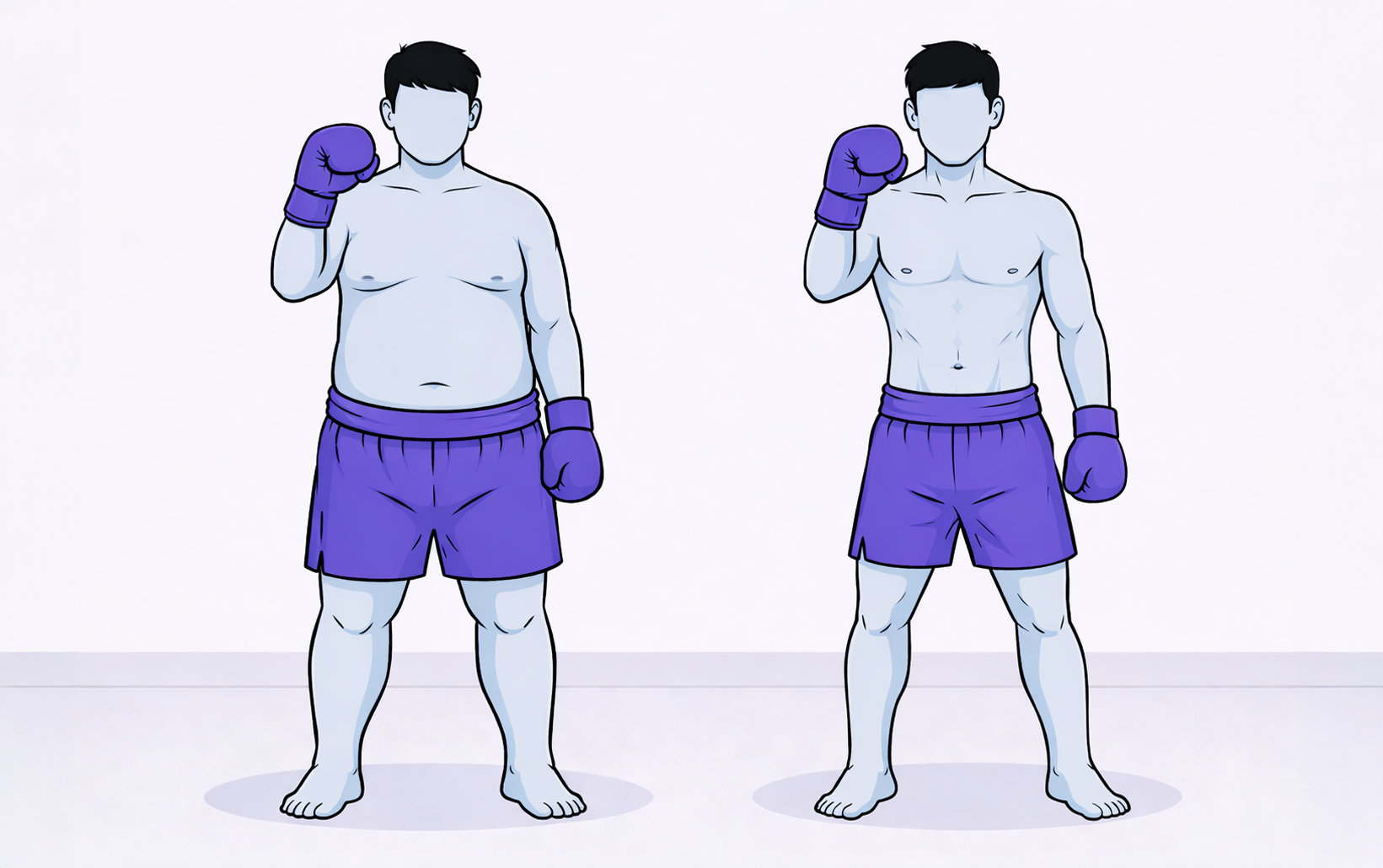
Burn Calories (Lose Weight)
Muay Thai is very physically demanding and can burn a high number of calories in a single session. You can generally expect to burn between 500 and 900 calories per hour. The exact number depends on factors such as training intensity, bodyweight, fitness level, and the type of session being performed.
Mental Toughness
Training Muay Thai regularly pushes you outside your comfort zone, both physically and mentally. Sessions can be intense and require you to keep going even when fatigued. Over time, this builds discipline, resilience, and the ability to stay focused under pressure. These mental benefits often carry over into other areas of life.
Get Fitter
Muay Thai improves multiple areas of fitness at once. It develops cardiovascular endurance through continuous movement, strength through strikes and conditioning, and coordination through technique and timing. Sessions often follow a high-intensity interval training (HIIT) structure, with short bursts of full effort followed by brief recovery periods. Flexibility and mobility also improve over time, especially in the hips and legs. It is a full-body workout that combines both aerobic and anaerobic training.
Self Defence
Muay Thai teaches practical striking techniques that can be effective in real-world situations. It focuses on using simple, powerful movements such as punches, kicks, knees, and elbows. It also improves awareness, balance, and reaction time, which are important in self-defence scenarios. However, it does not include ground fighting or weapon defence.
Build Confidence
As you improve your skills, fitness, and overall ability, confidence tends to increase naturally. Learning how to defend yourself and seeing progress in training can make you feel more capable and self-assured. This applies both inside and outside of the gym.
Make New Friends
Muay Thai gyms often have a strong community atmosphere. Training alongside others, especially during partner drills or pad work, creates shared experiences. Over time, this can lead to friendships and a sense of belonging within the gym.
Famous Muay Thai Fighters
Some of the most recognised Muay Thai fighters include:
- Buakaw Banchamek – known for his power, durability, and international success
- Saenchai – known for his skill, creativity, and unique style
- Rodtang Jitmuangnon – known for his aggressive style and pressure fighting
- Tawanchai PK Saenchai – known for his sharp technique and left kick
- Jonathan Haggerty – known for his speed, timing, and success in ONE Championship
- Dani Rodriguez – known for his technical style and consistency
- Marie Ruumet – known for her well-rounded skillset and international competition
- Stamp Fairtex – known for her striking, versatility, and success across multiple combat sports
These fighters have helped grow the sport globally and represent a range of different styles, from technical and evasive to aggressive and forward-pressure.
Golden Era Muay Thai Fighters
The “Golden Era” of Muay Thai refers to a period in the 1980s and 1990s when the sport in Thailand was at its peak in terms of skill, competition, and popularity.
During this time, the depth of talent was extremely high, with many elite fighters competing regularly at stadiums like Lumpinee Boxing Stadium and Rajadamnern Stadium. Fights were highly technical, and many of today’s techniques and standards were shaped during this period.
Some notable fighters from the Golden Era include:
Famous Muay Thai Stadiums
Some of the most important Muay Thai venues are based in Bangkok, with two stadiums widely considered the most prestigious:
- Lumpinee Boxing Stadium
- Rajadamnern Stadium
These stadiums have hosted the highest level of Muay Thai for decades. Winning a title at either venue is seen as one of the biggest achievements in the sport. They feature elite fighters, traditional scoring, and are deeply connected to Muay Thai’s history and culture.
There are also other well known stadiums that are highly respected, even if they are not quite at the same level:
- Omnoi Stadium
- Channel 7 Stadium
- Rangsit Stadium
These venues regularly host competitive fights and are important parts of the Muay Thai scene. Many top fighters compete there, especially earlier in their careers or alongside appearances at the major Bangkok stadiums.
Muay Thai Weight Classes
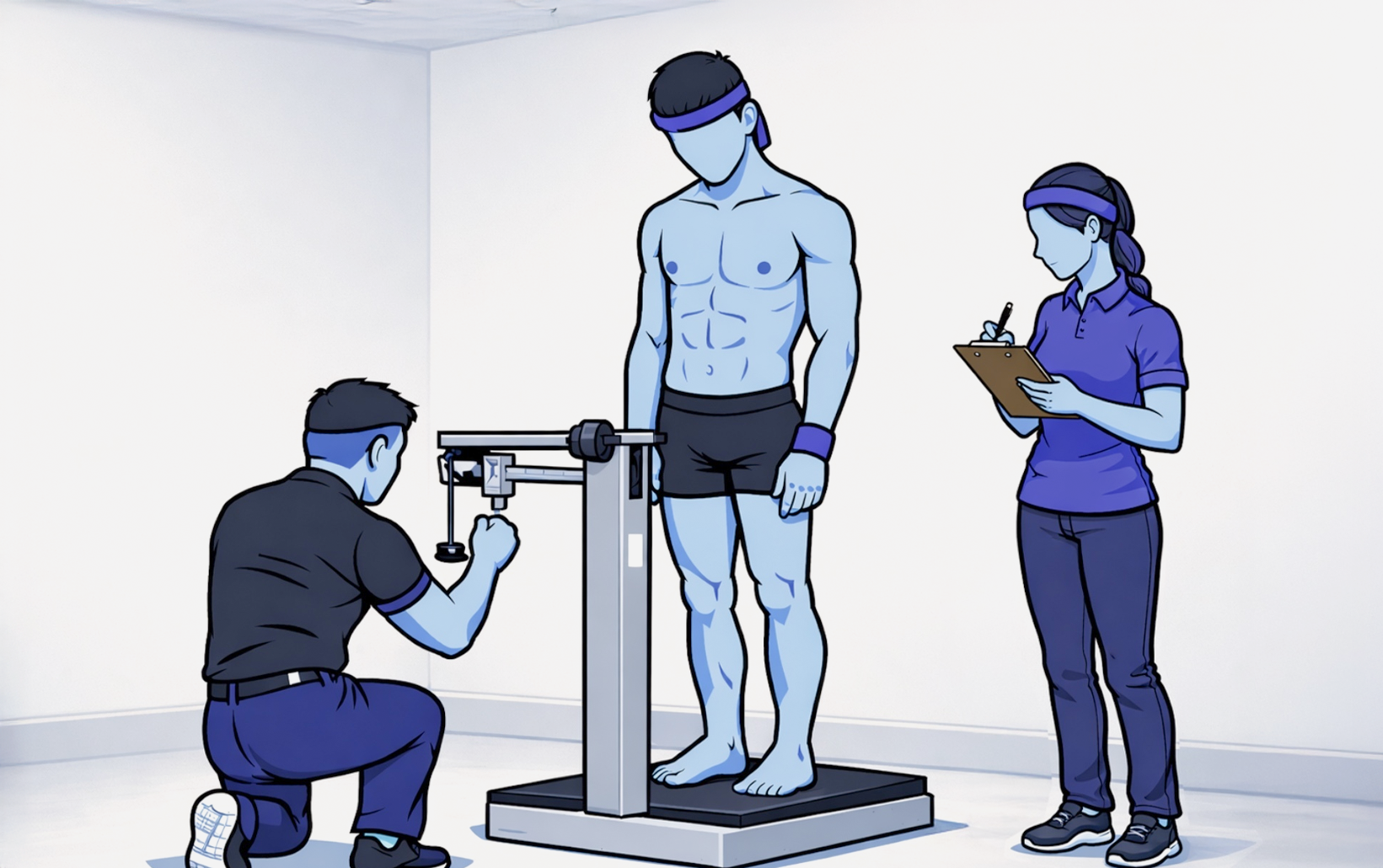
Muay Thai uses weight classes to ensure fighters compete against opponents of a similar size, helping to keep fights fair and competitive. This is standard across most combat sports.
However, there is no single universal weight class system in Muay Thai. The exact divisions can vary depending on the country, promotion, and sanctioning body overseeing the fight.
For example, a weight class like “bantamweight” may have different weight limits depending on the organisation. This means two fighters competing under the same weight class name in different promotions may not be in the exact same weight range.
Because of this, the actual fight weight (in kilograms or pounds) is often shown alongside, or even more prominently than, the weight class name. This helps avoid confusion and makes it clear exactly what weight the fighters are competing at.
In general, fighters are matched based on their weight before the fight, with weigh-ins taking place the day before or the morning of competition. Despite the lack of full standardisation, the goal remains the same: to create balanced matchups between fighters of similar size and physical attributes.
Muay Thai Training Structure
A typical Muay Thai session follows a structured format.
This usually includes:
- warm-up (running or skipping)
- stretching
- shadowboxing (practising movement and technique)
- pad work (working with a coach)
- bag work (developing power and endurance)
- clinch training
- conditioning (fitness exercises)
Muay Thai Culture & Traditions
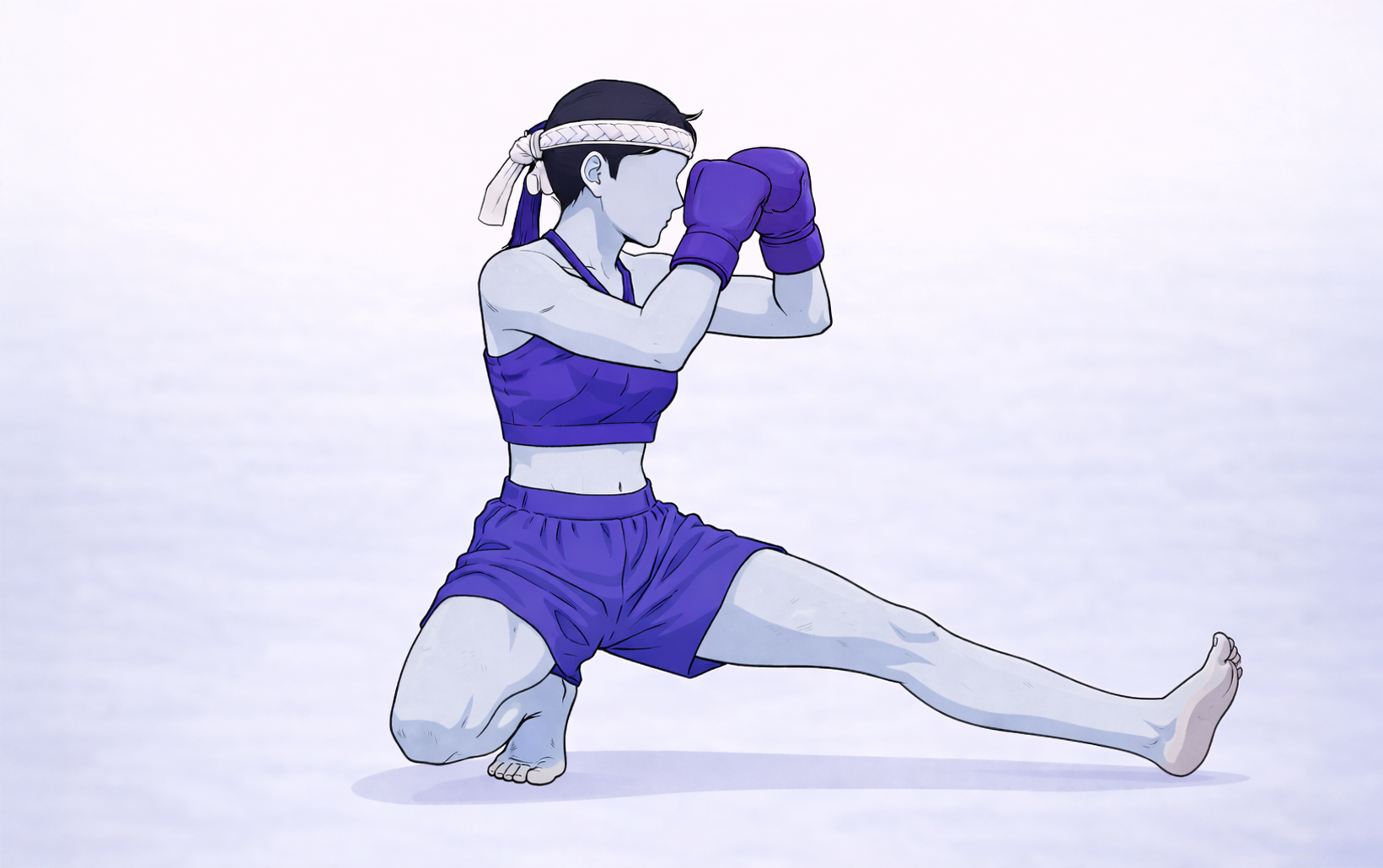
a
Some fighters also have traditional tattoos known as Sak Yant, which are believed to offer protection, strength, or good fortune. These are part of Thai culture rather than a requirement of the sport.
Traditional Muay Thai Attire
In addition to standard training gear, Muay Thai fighters wear traditional items that are part of the sport’s culture.
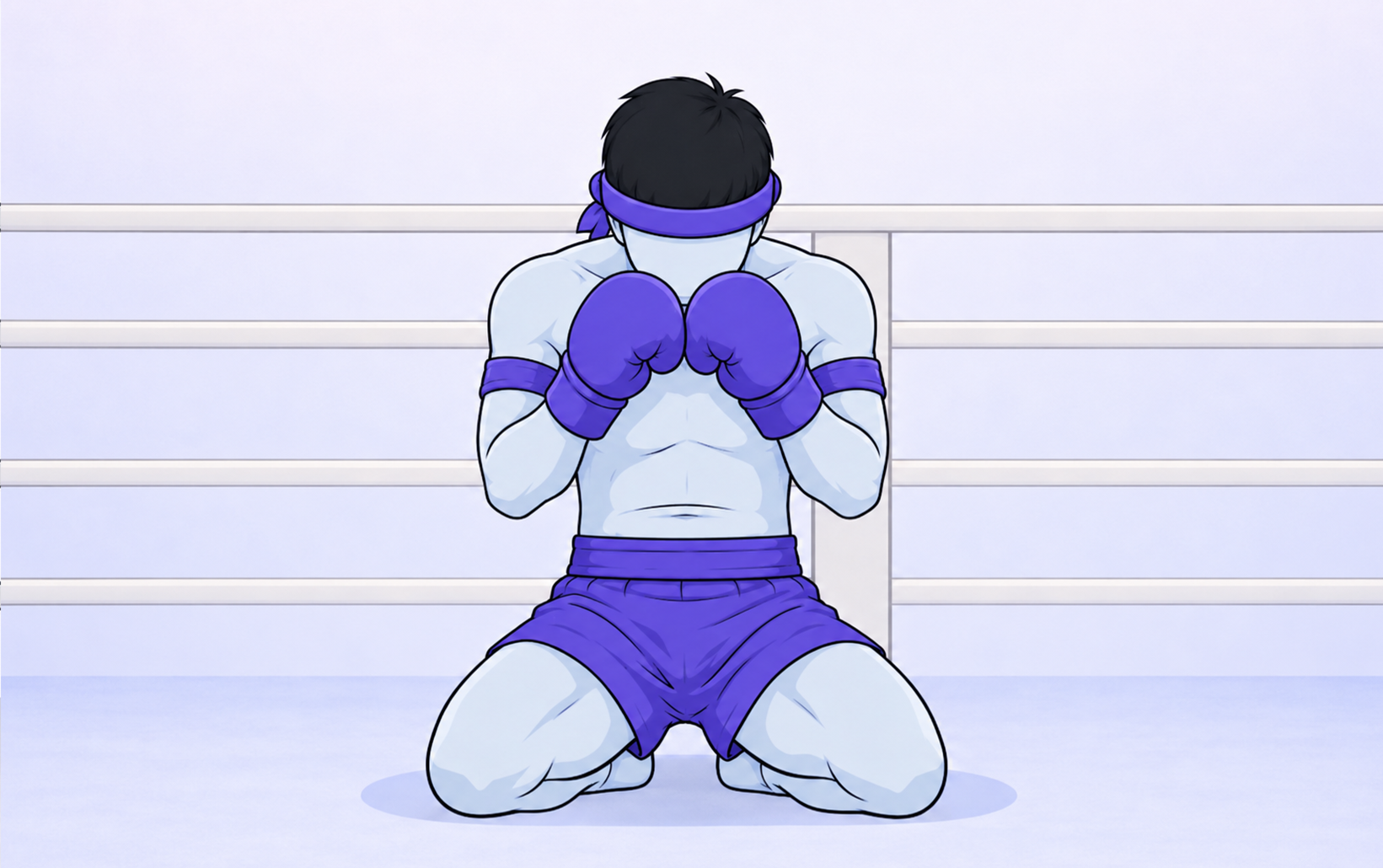
The Mongkhon (or Mongkol) is a headband worn during the Wai Kru Ram Muay. It is believed to bring protection and good luck, and is usually given to the fighter by their trainer. It is removed before the fight begins.
Pra Jiad are armbands worn on one or both arms. They are often symbolic and may represent a fighter’s gym, background, or personal meaning.
These items are not required for training, but they remain an important part of Muay Thai’s identity.
FAQ
Share this story: